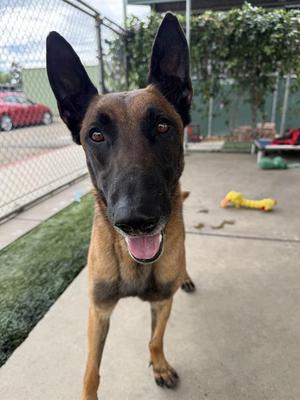
Chula Vista Animal Care Facility
- Efficient and quick service
- Affordable community vaccination clinics
- Poor communication and unresponsiveness

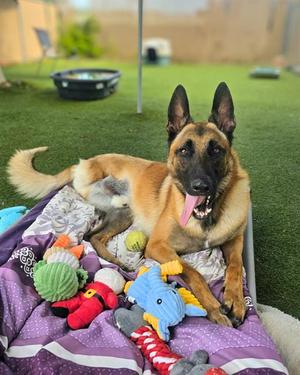
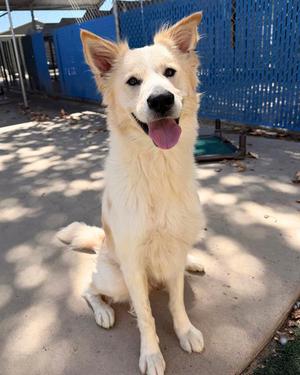
10/10 - Pet of the week: 9-month-old shepherd mix is looking for a quiet home
Animal: Valley, 9-month-old, female shepherd mix, No. 995257. Where: San Diego Humane Society, Escondido Campus, 3500 Burnet Drive. Hours: Interested adopters can visit the campuses to adopt from 10 a.m. to 5 p.m. Tuesday through Sunday. …

9/11 - Pet of the week: 4-year-old cat who likes to explore
Domestic Long Hair cat waiting for adoption at the Rancho Coastal Humane Society

8/30 - Nearly 300 animals adopted during annual Clear the Shelters event in San Diego
A total of 288 pets found their fur-ever homes during NBC 7 and Telemundo 20's annual Clear the Shelters adoption event with San Diego Humane Society.

8/25 - Celebrate Clear the Shelters during NBC 7 and Telemundo 20's annual pet adoption event
Celebrate NBC 7 and Telemundo 20's monthlong pet adoption campaign during our annual "Clear the Shelters Day" event on Saturday, Aug. 29.

8/21 - Pet of the week: 1-year-old Terrier mix known for his happy wagging tail
1-year-old Terrier mix is ready to be adopted at the Rancho Coastal Humane Society. Adopt him during August and the fee will be waived during Clear the Shelters.
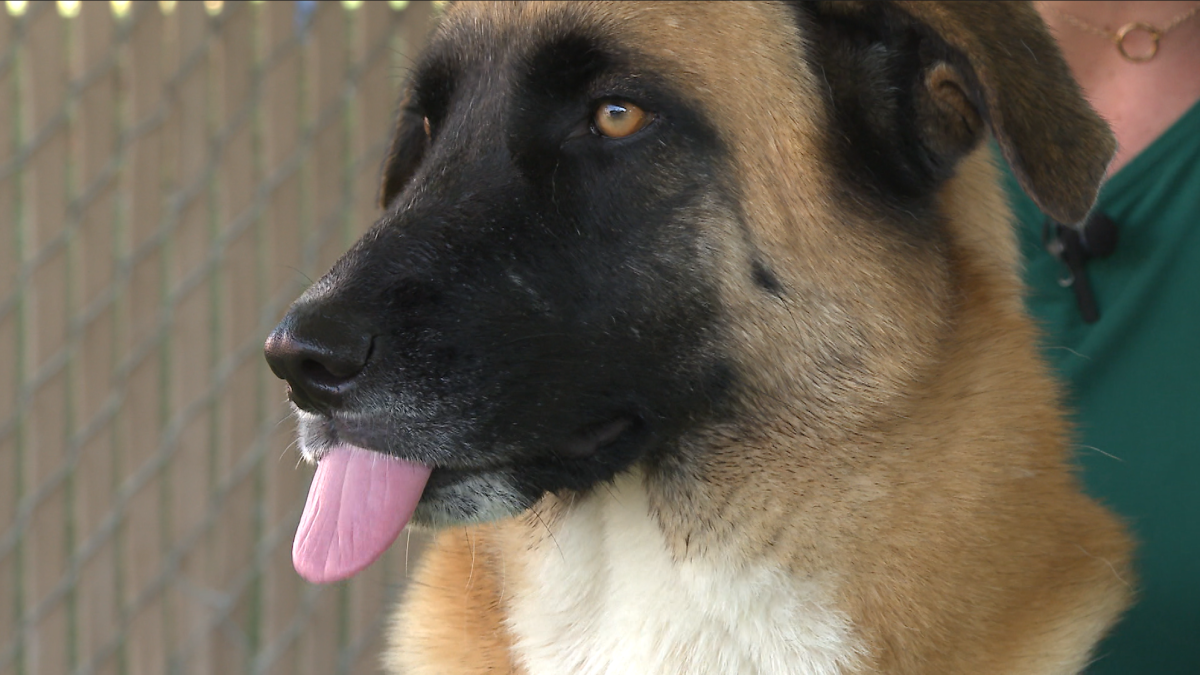
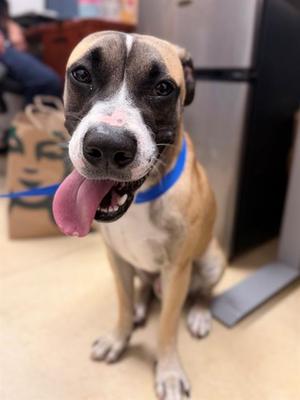
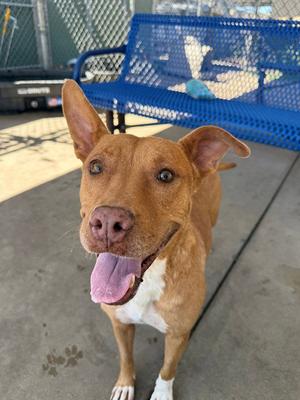
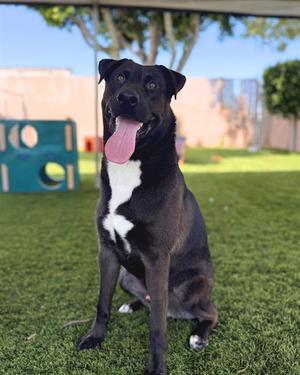
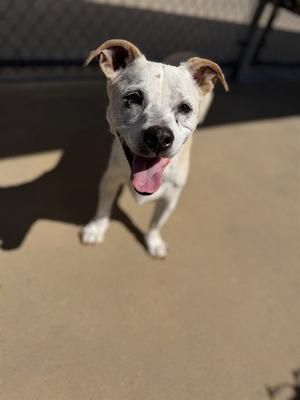
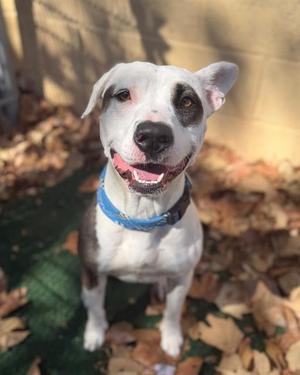
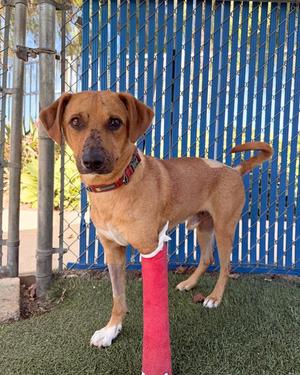
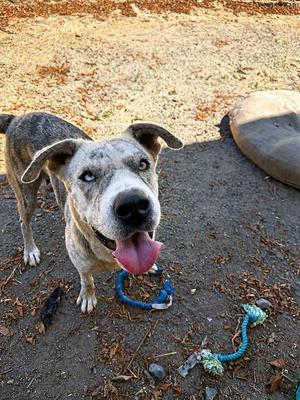
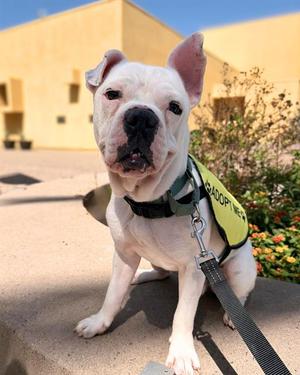
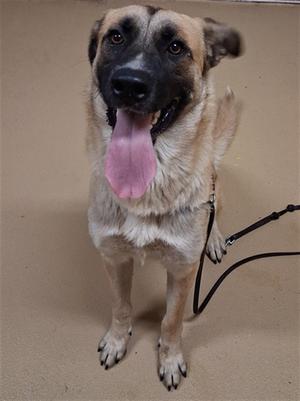
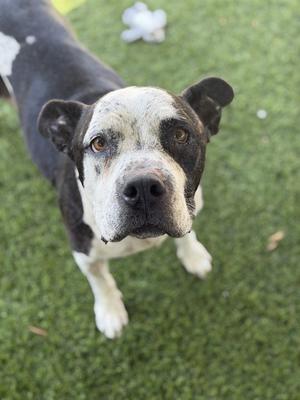
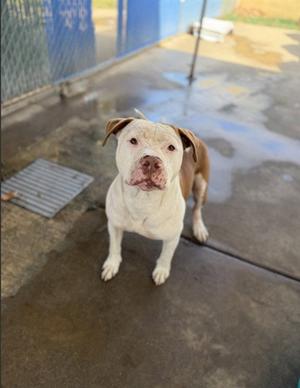
8/4 - As NBC 7 and Telemundo 20 kick off the Clear the Shelters campaign, several dogs at the Chula Vista Animal Care Facility hope this is finally their chance to find a home.
As NBC 7 and Telemundo 20 kick off the Clear the Shelters campaign, several dogs at the Chula Vista Animal Care Facility hope this is finally their chance to find a home.

7/26 - Pet of the week: Kitty with a soft meow looking for a home
5-year-old, domestic short hair cat is waiting to be adopted at the Rancho Coastal Humane Society

7/17 - Hundreds of caged birds seized during warrant search at Valley Center property
More than 800 birds were found at the property on Lilac Vista Drive and taken to two separate shelters in Bonita and Carlsbad.

7/12 - Pet of the week: friendly, playful dog who loves hugs is looking for a new home
5-year-old Labrador Retriever is waiting to be adopted at the Rancho Coastal Humane Society
6/27 - National Adopt-a-Cat month highlights need for homes during peak kitten season
June is National Adopt a Cat Month, and animal welfare officials in Chula Vista say the timing coincides with one of the busiest periods of the year for shelters as hundreds of kittens and cats arrive during what is commonly known as “kitten season.” According to Ashley Milo, director of Animal Services for the city of Chula Vista, warmer weather triggers the annual increase in feline populations. “Once the weather begins to warm, female cats begin the ongoing search for mates,” Milo said. “By June, kittens of all ages are entering shelters in mass.” The numbers reflect the seasonal surge. Milo said the Chula Vista Animal Care Facility took in 226 cats and kittens last month, along with 46 community cats brought in through Trap-Neuter-Return (TNR) programs. The facility has seen an increase in cat intakes in 2026. The influx creates significant challenges for shelter staff and volunteers. One of the biggest concerns is caring for kittens that are too young to survive on their own.“Kittens under 6 weeks should remain with mom,” Milo said. “Her milk provides vital nutrition and immunity.” When young kittens arrive at the shelter without their mothers, they often require foster homes where caregivers can provide bottle-fed feedings every few hours and help them transition to solid food and litter box training. “Maintaining enough fosters is difficult,” Milo said, noting that the shelter needs between 50 and 75 active foster families during the summer months when many residents are traveling. Medical care also presents challenges. Like people, cats can contract contagious illnesses that spread quickly in shelter environments. Milo said shelter staff must monitor respiratory viruses, ringworm, and other medical conditions that can require extensive treatment and recovery time. In addition, the cost of caring for hundreds of kittens continues to rise. “Costs for medical supplies, vaccines, formula, food, and foster supplies have increased,” Milo said. “Hundreds of kittens are in the shelter system for 8-10 weeks.” National Adopt a Cat Month also serves as an opportunity to educate prospective pet owners about the responsibilities of cat ownership. “Any pet is a commitment,” Milo said. “Cats can live up to 20 years, so it’s a long-term commitment.” She recommends that newly adopted cats be given a small, designated space to help them adjust to their new surroundings. Kittens are often best adopted in pairs because they provide companionship and can develop appropriate social behaviors while playing together. Milo also addressed one of the most common misconceptions about cats. “The most common myth we hear is that they aren’t as social as dogs,” she said. “While every cat is individual, most cats enjoy the company of their human and animal friends.” To help connect cats with potential adopters, the city regularly participates in cat cafés and community adoption events. “Meeting the community in the community is a fantastic way to increase not only adoptions, but awareness for the mission and the needs of the local shelter,” Milo said.

5/29 - Rancho Coastal Humane Society will offer fee-waived adoptions on June 6 during California Adopt-a-Pet Day
Rancho Coastal Humane Society will join shelters statewide on Saturday, June 6, in offering fee-waived adoptions during the 3rd annual California Adopt-a-Pet Day, hosted by California Animal Welfare Association (CalAnimals), San Francisco…
5/10 - Public safety officials share tips for emergency plans
The importance of disaster preparedness took center stage in Chula Vista on Saturday, May 2, as the Chula Vista Fire Department, alongside Chula Vista Animal Services, marked National Wildfire Preparedness Day and National Animal Disaster Preparedness Day with a community-focused event aimed at protecting residents, homes, and pets. Held at Chula Vista Fire Department Station 5 on Orange Avenue the event brought together fire officials, animal services personnel, and community members for a discussion on how to prepare before disaster strikes. With wildfire risk continuing to pose a serious concern across the region, officials emphasized that early planning remains one of the most effective ways to reduce harm and improve safety outcomes. Fire Chief Chris Manroe, Fire Captain Chris Kastelic, and Director of Animal Services Ashley Milo led the presentation, each addressing different aspects of preparedness. Several dogs from the Chula Vista Animal Care Facility were also present, reinforcing the importance of including pets in emergency planning. A central focus of the event was a four-step approach outlined by Manroe to help residents reduce wildfire risk. The first step—managing vegetation—emphasizes maintaining defensible space up to 100 feet from homes. Residents were advised to trim overhanging branches, remove dead or damaged limbs within 6 to 10 feet of the ground, and eliminate plants containing resins, oils, or waxes. Officials also recommended using nonflammable materials such as crushed stone or gravel within five feet of structures and performing regular landscape maintenance. The second step focuses on building fire-resistant homes. This includes using Class A fire-rated roofing materials, inspecting and repairing loose or missing shingles, enclosing eaves while maintaining proper ventilation, and installing screens over roof and attic vents. Homeowners were also encouraged to clear debris from decks and porches, avoid storing flammable materials near structures, and consider fire-resistant siding and dual-pane tempered glass windows. Keeping access routes clear is the third priority. Fire officials stressed the importance of ensuring street signs and house numbers are clearly visible, along with maintaining driveways at least 12 feet wide with 15 feet of vertical clearance to allow emergency vehicles to pass. The final step centers on readiness before an emergency occurs. Residents were encouraged to create and practice a family evacuation plan that includes pets, identify at least two exit routes from their neighborhood, and establish a designated meeting place. Annual insurance checkups and maintaining an updated home inventory were also recommended. In addition to prevention efforts, officials highlighted the importance of staying informed during emergencies. Residents were encouraged to download Genasys Protect and AlertSanDiego to receive real-time alerts, updates, and evacuation instructions. Animal safety was also a key component of the event. Milo and her team shared guidance on preparing pet emergency kits, keeping identification current, and ensuring evacuation plans include animals. Attendees were able to view equipment and vehicles used by CVFD crews to clear vegetation, offering a closer look at the tools involved in wildfire mitigation. Supplemental footage of fuel crews clearing brush near neighborhoods and firefighters responding to incidents was also made available as part of the department’s outreach efforts. While the event underscored the ongoing risks associated with wildfires, the message remained clear: preparation can significantly reduce the impact of disasters. For the Chula Vista Fire Department and its partners, the focus remains on equipping the community with the tools and knowledge needed long before an emergency occurs.

4/25 - Pet of the week: 2-year-old American Pit Bull Terrier Mix who is a “cuddle bug”
2-year-old American Pit Bull Terrier Mix is waiting to be adopted at San Diego Humane Society, Escondido Campus